Do You Care About Bad Air? Indoor air quality can affect your mood – and your mind
By: Adele Michaelides Thomas, MA, LCMHC, NCC
Finding Sky Counseling Center, Keene NH
The week the world shut down due to COVID-19, I instructed all of my clients to go out and buy masks as there would be a sudden, wild run on masks. There was. I didn’t have to go on that wild run for this reason: I had 6-7 different kinds of professional masks just in my car alone ( under all the books, CDs, and fiddle toys). Germaphobe? No, I am a canary. That is the term we commonly use to explain that we are extremely chemically and environmentally sensitive. It can also be clinically termed Hyperosmia, MCS, or MCES. In the old days of mining, a grueling profession, before there were instruments to tell them the oxygen levels were life-threatening, the men who mined brought canaries into those dank dark, holes with them When the canaries started to show signs of stress, or simply die right then and there, the minors beat it out of those hellholes, literally racing for their lives. Those little bird heroes sang, screamed and whistled their danger warning, “I am dying, and so will you if you stay in this poisoned air.” Hence the moniker, “the canary in the coal mine.”
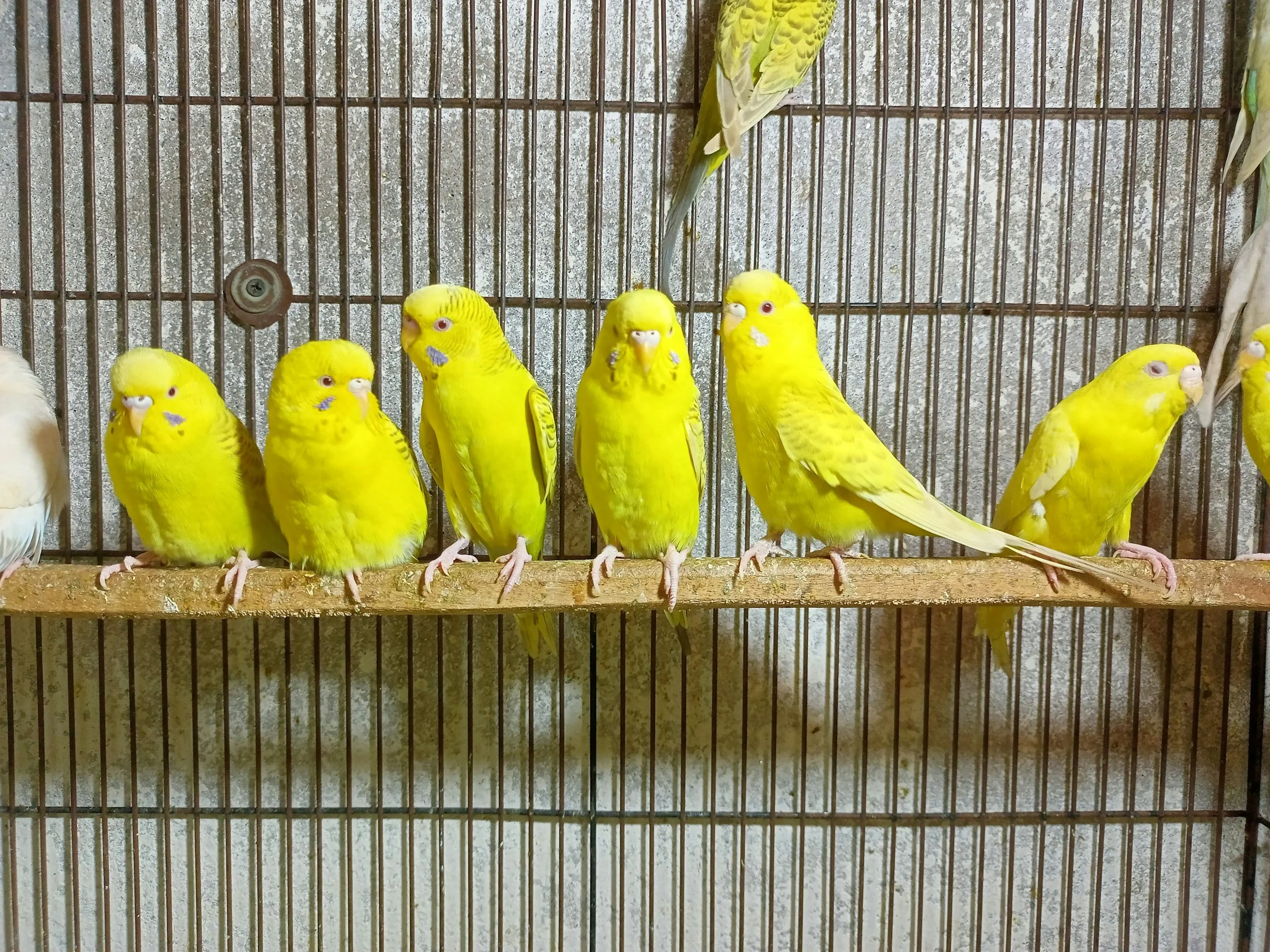
We, the human canaries, are used to dodging and ducking and diving around toxic air. We live with one little bird claw in the mine at all times and one little bird claw clutching above the cave. We are here to report that there is bad indoor air quality in too much of your world. So, this isn’t a blog about the canaries. No, it’s about you. This blog is about you, your health, and how we observe you every day. We see — and smell — what’s all around you, and the bad air you and/or your kids are sucking in.
It’s not just the canaries that are onto disturbing stuff about air quality. Science is catching up, finally. In the New York Times, 9/16/21, author Tara Parker-Pope wrote, “Is Bad Indoor Air Dulling Your Brain?” She cites new studies that showed actual cognitive impairments and tracked office workers in specific commercial buildings. Scientists gathered info to measure minuscule particles and yes, it showed up in how folks concentrated and processed information.
The Harvard T.H. Chan School of Public Health has published on 11/6/2023, “The Surprising Link Between (Indoor) Air Quality and Mental Health,” noting that “the connection between air pollution and mental health is a critical but overlooked aspect of mental well-being.” They also note that children are especially vulnerable to poor indoor air, and that “studies found that such exposure leads to elevated risk of bipolar disorders, schizophrenia, personality disorders, major depression, affective disorder in adolescents and children.” As a society, it’s clear we are just beginning to understand how serious an issue this is.
Canaries care about you, even if you don’t know it. In this modern world, we are called weird names, called various kinds of crazy, called difficult, called suspicious, given diagnoses that don’t fit just to push us into a category, fired because we can’t breathe in a sick space, or not called at all. But we still won’t give up trilling, give up our birdsong, our essential, high-pitched message to humans. We are wired to remind you about air, the invisible force around you, all the time. When it’s bad, we need to act on it.
I encourage you to research items about your own personal indoor air. Like, did you know formaldehyde is in way too many things that are likely all over your house? (Read: “What Should I Know About Formaldehyde and Indoor Air Quality?”)
What you are breathing matters
Where are you right now? Look around. Then close your eyes and breathe deep. Look again. What kinds of things are in the space, your space, the office, the vents, the old yukky AC, the classroom with questionable dark corners, the dining hall, the new car? Will you spray more yukky stuff on all your stuff? Is that always needed, or are you actually killing off some of your own brain cells? You need those brain cells. You need that brain to function over what you hope will take you through a long life. Consider what may be contributing to mood disorders. Survey the facts that surround your physical existence. You have a right to breathe clean air. You have the right not to get poisoned by a building. Bodies and brains were not made for the massive exposure to toxic indoor air pollution. In closing, mental health is complicated and frightening and foggy at times. Bad air makes it more complicated, frightening and foggy.
Scientists and this canary believe you can learn to care about your air, to better determine and analyze your surroundings. Air is our greatest gift, and a clearer, healthier, happier head is our reward for tending to the air around us.
Your Queen Canary,
Adele Michaelides Thomas, MA, LCMHC, NCC
